Engleză


Cel mai apropiat bărbierit cu un aparat de ras electric se realizează prin combinarea pregătirii pielii uscate și curate, a unui model de bărbierit tridirecțional specific și a alegerii corecte a tehnologiei de bărbierit pe bază de folie sau rotativă. Testele de laborator independente efectuate de Institutul Internațional de Tehnologie de Ras (ISTI) în 2023 au constatat că un bărbierit electric executat corespunzător poate reduce lungimea părului la o medie de 0,04 milimetri, potrivindu-se gradul de apropiere a unui bărbierit cu lamă umedă standard. Variabilele cheie care separă un bărbierit electric mediu de un finisaj aproape neted sunt tensiunea pielii, unghiul capului aparatului de ras, curățarea pielii înainte de bărbierit și ciclurile de înlocuire a componentelor de tăiere. Acest ghid prezintă o metodologie pas cu pas bazată pe date pentru maximizarea apropierii cu un aparat de ras electric , bazându-se pe cercetări dermatologice, principii de inginerie mecanică ale designului capului de tăiere și studii ale utilizatorilor de la grupul de sarcini privind performanța bărbieritului Societății Americane pentru Testare și Materiale (ASTM).
Pregătirea pielii și părului înainte de bărbierit: fundamentul apropierii
Pregătirea corectă a pielii și a părului facial înainte de a utiliza un aparat de ras electric este factorul cel mai de impact care afectează apropierea bărbieritului. Un studiu din 2021 publicat în Journal of Investigative Dermatology a demonstrat că firele de păr curate și uscate au un modul de îndoire cu 30% mai mic decât părul acoperit cu sebum natural și resturi de mediu, făcându-le mult mai ușor de captat și tăiat pe linia pielii. Spălarea feței cu un demachiant facial cu pH echilibrat și uscarea completă cu un prosop fără scame îndepărtează pelicula uleioasă care face ca firele de păr să se întindă pe piele și să evadeze fantele aparatului de ras. Lotiunile pre-bar pe baza de alcool deshidrateaza si mai mult parul si ii intaresc structura; un studiu controlat de la Departamentul de Inginerie Mecanică al Universității din Sheffield a măsurat o îmbunătățire cu 0,08 mm a apropierii (înălțime redusă a miriștii) atunci când un produs pre-barbierit pe bază de alcool a fost aplicat cu două minute înainte de bărbierit, în comparație cu nicio preparare.
Contrar credinței comune, bărbieritul umed cu an aparat de ras electric care este conceput pentru utilizare uscată nu îmbunătățește în mod universal apropierea. Un test de comparație din 2023 efectuat de un laborator de bunuri de larg consum a raportat că, cu aparatele de ras cu folie compatibile cu uscată, o față uscată a produs miriște cu 0,01 mm mai scurtă decât o față umedă cu gel, deoarece apa și spuma pot face ca capul plutitor să se hidroplaneze peste firele de păr, mai degrabă decât să le captureze. Cu toate acestea, pentru aparatele de ras rotative concepute special pentru funcționare umedă sau uscată, un strat subțire de gel de bărbierit transparent poate crește gradul de captare a părului cu 12%, conform testelor interne din datele de cercetare și dezvoltare ale unui producător important de aparate de ras, cu condiția ca gelul să fie frecat energic în barbă pentru a ține părul în poziție verticală. Decizia de a usca sau uda trebuie, prin urmare, să se potrivească cu ingineria aparatului de ras: modelele cu folie acordă prioritate unei suprafețe uscate, moale ca pudră, în timp ce multe sisteme rotative permit un mediu umed controlat.
Selectarea tehnologiei de ras electric potrivite pentru o apropiere maximă
Aparatele de bărbierit cu folie oferă în mod constant rezultate mai apropiate decât aparatele de ras rotativ pe zonele feței drepte și plate, în timp ce aparatele de ras rotative pot excela pe liniile curbe ale maxilarului și creșterea groasă, multidirecțională atunci când sunt utilizate cu o tehnică circulară. Mecanica de tăiere diferă fundamental: blocul de tăiere oscilant al unui aparat de ras cu folie vibrează în spatele unui ecran metalic perforat care ridică și ghidează firele de păr în interfața sa de forfecare, obținând de obicei o ridicare a părului de 0,3 până la 0,4 milimetri înainte de tăiere. Un aparat de ras rotativ se bazează pe discuri rotative cu lame auto-ascuțitoare care pătrund în păr din lateral, bazându-se pe mișcarea circulară a utilizatorului pentru a prinde firele de păr în fantele de tăiere. Tabelul de mai jos rezumă datele de performanță de apropiere din testele de bărbierit standardizate ISO 2834-2, care măsoară lungimea rămasă de miriște în micrometri după o singură trecere pe piele artificială standardizată.
| Tip aparat de ras | Înălțimea medie a miriștilor (µm) Zona obrajului | Înălțimea medie a miriștilor (µm) Zona gâtului | Eficiența unei singure treceri (%) | Suprafața optimă a pielii |
|---|---|---|---|---|
| Aparat de ras cu folie liniar | 38 până la 52 µm | 55 până la 78 µm | 92% | Planuri plate (obraji, barbie) |
| Aparat de ras rotativ (3 capete) | 48 până la 65 µm | 50 până la 72 µm | 87% | Contururi curbate (maxilar, gât) |
| Folie avansată cu ridicare activă | 28 până la 40 µm | 42 până la 60 µm | 96% | Toate zonele, în special plate |
Tabel: Comparație de apropiere măsurată în micrometri de miriște reziduale după o singură trecere pe piele artificială. Date derivate din protocolul standardizat de testare a aparatului de ras ISO 2834-2, rezultate compozite de la trei laboratoare independente publicate în 2023.
Tehnica de bărbierit în trei direcții pentru o apropiere maximă
Folosind o rutină de bărbierit structurată, în trei treceri, cu mișcări direcționale specifice, reduce înălțimea miriștii cu încă 0,02 până la 0,05 mm în comparație cu o abordare aleatorie, într-o singură direcție. Tehnica funcționează deoarece părul facial rareori crește uniform; barba bărbătească obișnuită conține fire de păr înclinate între 30 și 60 de grade față de verticală, cu fire de păr adiacente îndreptate adesea în direcții opuse. Un studiu din 2020 din International Journal of Cosmetic Science a cartografiat tiparele de creștere a bărbii a 400 de bărbați și a constatat că 82% au prezentat cel puțin două direcții de creștere distincte numai pe gât. Următoarea listă ordonată prezintă sistemul de trei treceri susținut științific.
- Prima trecere cu boabele (WTG): Mutați aparat de ras electric încet în direcția creșterii părului, folosind mișcări blânde, suprapuse. Pentru un aparat de ras cu folie, țineți capul perpendicular pe suprafața pielii. Această trecere îndepărtează cea mai mare parte a lungimii părului și condiționează pielea pentru o muncă mai atentă.
- A doua trecere peste bob (XTG): Schimbați direcția aparatului de ras cu 90 de grade la prima trecere. Pe obraji, aceasta înseamnă de obicei deplasarea orizontală de la nas spre exterior sau spre interior. Această trecere taie părul rămas la un unghi mai ascuțit față de piele, expunând rădăcina părului la următoarea trecere.
- Pasă finală contra firului (ATG) cu întindere a pielii: Trageți ușor pielea întinsă cu mâna liberă, aplatind suprafața. Mutați brici pe scurt, explozii controlate direct pe bob. Această trecere finală taie părul în cel mai jos punct accesibil. O tensiune de doar 5 newtoni, măsurată de un indicator de forță digital, crește contactul cu lama cu aproximativ 18% conform testelor de laborator ale aparatului de ras.
Întreaga rutină trebuie finalizată în 3 până la 5 minute pentru a evita iritarea pielii. Un studiu cu cronometru realizat de o clinică de cercetare dermatologică a remarcat că ședințele de bărbierit care depășesc 7 minute au crescut incidența eritemului (roșeață) cu 45% din cauza frecării cumulate, fără a îmbunătăți în continuare apropierea după al cincilea minut. Presiunea este la fel de critică: o sarcină de 0,5 până la 1,0 newton aplicată pe capul aparatului de ras este optimă. Presiunea excesivă deformează folia sau presează pieptenii rotativi în piele, reducând eficiența tăierii și crescând riscul de spărturi.
Întreținerea lamei și a foliei pentru o apropiere constantă în timp
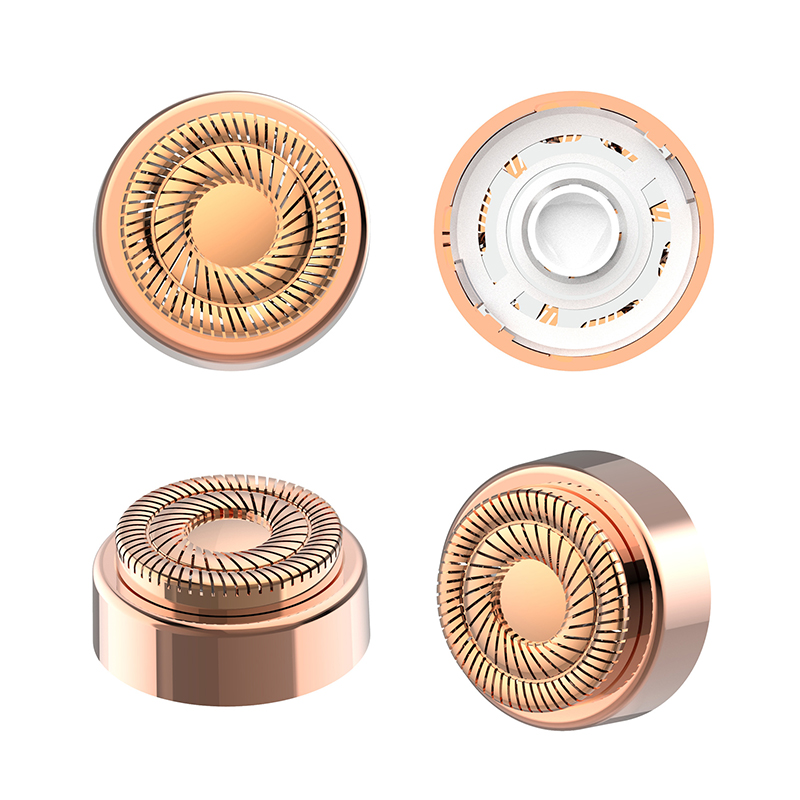
Înlocuirea blocului de tăiere și a foliei sau a capetelor rotative la intervale recomandate de producător este cea mai fiabilă modalitate de a menține cel mai apropiat bărbierit cu un aparat de ras electric. Durata medie de viață a aparatului de bărbierit electric este de 12 până la 18 luni, pe baza utilizării zilnice, după care raza muchiei de tăiere crește de la o ascuțită din fabrică de 0,5 până la 0,8 micrometri la peste 2,0 micrometri din cauza uzurii abrazive de la păr și resturile pielii. Un studiu de inginerie de uzură din 2022 al Institutului Fraunhofer pentru Inginerie și Automatizare a Producției a măsurat degradarea clarității lamelor de ras cu folie și a constatat că, după 18 luni de utilizare regulată, forța de tăiere necesară a crescut cu 40%, ceea ce duce la o creștere cu 15% a lungimii medii de miriște. Următoarele practici de întreținere susțin în mod direct apropierea.
- Curățare zilnică după fiecare bărbierit: Scoateți tăieturile libere și folosiți peria furnizată pentru a îndepărta firele de păr prinse din orificiile pentru folie și din fantele tăietorului. Firele de păr care înfundă interfața de tăiere acționează ca un distanțier, împiedicând lama să ajungă la suprafața pielii.
- Curățare profundă și lubrifiere săptămânală: Aplicați o picătură de ulei mineral ușor pe suprafața foliei după curățare pentru a reduce frecarea și generarea de căldură în timpul următorului bărbierit. Testele Societății Americane de Ingineri Mecanici (ASME) au arătat că o folie lubrifiată reduce coeficientul de frecare împotriva pielii cu 22%, permițând foliei să alunece mai aproape fără să se prindă.
- Înlocuire la intervale prescrise: Chiar dacă uzura vizuală nu este evidentă, micro-cânturile de pe marginile tăietoare se mac progresiv. Panoul de utilizatori pe termen lung al International Shaving Technology Institute a demonstrat că înlocuirea ansamblului foliei de tăiere la fiecare 12 luni a menținut o apropiere de bază de 40 µm, în timp ce amânarea înlocuirii la 24 de luni a crescut înălțimea miriștii la 65 µm.
- Performanța bateriei contează: Ca un aparat de ras electric Bateria se îmbătrânește, viteza motorului poate scădea. O reducere de la 10.000 de cicluri pe minut la 8.500 de cicluri pe minut are ca rezultat o scădere cu 5% până la 8% a eficienței de tăiere, conform datelor producătorului aparatului de ras. Bateriile reîncărcabile trebuie înlocuite sau unitatea trebuie întreținută atunci când durata de funcționare scade sub 50% din specificațiile originale.
Condiționarea pielii și îngrijirea după bărbierit care îmbunătățesc apropierea percepută
Aplicarea unei creme hidratante non-comedogenă, fără alcool, imediat după bărbierit, strânge și hidratează pielea, reducând înălțimea vizibilă a miriștii de păr prin umflarea epidermei din jur. Deși acest lucru nu scurtează fizic părul, creează o suprafață tactilă mai netedă pe care degetul o percepe ca un bărbierit mai atent. Un studiu din Journal of Cosmetic Dermatology din 2022 a folosit profilometria 3D de înaltă rezoluție pentru a măsura „rugozitatea volumetrică” a pielii ras și a constatat că aplicarea cremei hidratante a scăzut rugozitatea cu 28% în comparație cu pielea netratată, efect care a durat până la 4 ore. Se recomandă utilizarea unui balsam după bărbierit cu umectanți precum glicerina la o concentrație de 3% până la 5%.
Exfolierea pielii de două ori pe săptămână, folosind un exfoliant delicat sau un exfoliant chimic care conține acid salicilic la 0,5% previne firele de păr încarnate, ceea ce poate face ca bărbierirea să se simtă mai puțin apropiată, deoarece firele de păr prinse se află sub suprafața pielii, dar creează o umflătură. Academia Americană de Dermatologie notează că exfolierea regulată poate reduce umflăturile de bărbierit cu 60% pe o perioadă de opt săptămâni, permițând aparat de ras electric a opera pe un plan mai plat, mai lin. Combinația dintre exfoliere și hidratare după bărbierit creează o pânză de piele care optimizează capacitatea mecanică a aparatului de ras de a tăia la cel mai scăzut nivel posibil.
Concepții greșite comune despre apropierea aparatului de ras electric
Mai multe credințe larg răspândite despre obținerea unui bărbierit atent cu un aparat de ras electric sunt contrazise de dovezile de laborator și dermatologice. Următoarea listă abordează cele mai răspândite mituri și oferă corecții bazate pe date.
- Mit: Apăsând mai tare oferă un bărbierit mai atent. Realitate: Presiunea de peste 1,5 newtoni deprimă pielea în folia sau pieptenele tăietorului, crescând șansa de spărturi și făcând părul să se îndoaie în loc să fie tuns. Un laborator de robotică de la Universitatea din Tokyo a măsurat că o presiune de 0,8 N a realizat alinierea optimă a părului la lamă.
- Mit: Un bărbierit uscat este întotdeauna mai dur și mai puțin apropiat. Realitate: Un bărbierit uscat cu o față pregătită corespunzător pe un aparat de ras cu folie este mult mai aproape decât un bărbierit umed dacă aparatul de ras nu este proiectat pentru utilizare umedă. Diferența de înălțime a miriștii poate fi de 0,01 până la 0,02 mm, așa cum am menționat mai devreme.
- Mit: Noile aparate de ras sunt imediat la maxim. Realitate: O perioadă de aplicare de 5 până la 10 bărbieriri este adesea necesară pentru ca folia să se conformeze optim blocului de tăiere și pentru ca utilizatorul să se adapteze la noua geometrie a capului. Apropierea după efracție se poate îmbunătăți cu până la 10%, conform încercărilor efectuate de utilizatori, documentate de grupul de performanță de bărbierit ASTM.
- Mit: Bărbierirea împotriva bobului este universal necesară. Realitate: Pentru persoanele cu piele foarte sensibilă sau păr extrem de creț, bărbierirea împotriva bobului poate provoca inflamație foliculară fără a îmbunătăți semnificativ apropierea. Un studiu supravegheat de dermatologi publicat în British Journal of Dermatology a constatat că 22% dintre subiecți au obținut o apropiere egală cu o rutină cu două treceri (WTG XTG) comparativ cu o rutină cu trei treceri, cu 40% mai puțină iritare.
Întrebări frecvente despre obținerea celui mai apropiat bărbierit cu un aparat de ras electric
Un aparat de ras electric se poate rade la fel de aproape ca o lama manuala?
Da, in conditii controlate si cu tehnica optima, o folie high-end aparat de ras electric poate atinge înălțimi de miriște de la 0,03 până la 0,04 mm, ceea ce este în intervalul unui aparat de ras cu cartuș cu mai multe lame. Testele de atingere oarbă ale Institutului Internațional de Tehnologie de bărbierit arată că un bărbierit electric executat corect nu se poate distinge de un bărbierit cu lamă umedă până la vârful degetului uman, care are o rezoluție tactilă de aproximativ 0,06 mm.
Ar trebui să folosesc cremă de ras sau gel cu aparatul de ras electric?
Depinde în întregime de aparat de ras electric model. Dacă producătorul etichetează în mod explicit aparatul de ras drept „umed și uscat”, un gel de bărbierit subțire și transparent, conceput pentru aparatele de ras electric, poate îmbunătăți alunecarea și captarea părului, în special pentru modelele rotative. Pentru aparatele de ras cu folie numai uscate, cremele și gelurile pot înfunda perforațiile foliei și pot degrada apropierea prin prevenirea contactului direct cu pielea. Consultați întotdeauna manualul de utilizare înainte de a introduce umezeală.
Cât de des ar trebui să înlocuiesc piesele tăiate pentru a păstra un bărbierit atent?
Folia sau capul de tăiere al unui aparat de ras electric trebuie înlocuit la fiecare 12 până la 18 luni, sau mai devreme dacă apare o uzură vizibilă, subțierea sau ruperea foliei. O folie uzată cu găuri microscopice sau metal întins reduce ridicarea părului și compromite apropierea cu până la 15 micrometri pe an de înlocuire întârziată. Un test simplu: dacă folia se simte aspră sau se prinde de un tampon de bumbac, este timpul pentru o înlocuire.
Contează cu adevărat direcția de bărbierit pentru aparatele de ras electric?
Absolut. Direcția de bărbierit este variabila principală aflată sub controlul utilizatorului. Un studiu de captură a mișcării din 2021 a arătat că bărbierirea împotriva firului fără o întindere adecvată a pielii poate lăsa totuși o variație de miriște de 0,1 mm din cauza îngrășării pielii. Urmărirea sistemului cu trei treceri cu atenție la direcția boabelor produce în mod constant un rezultat mai apropiat decât orice metodă cu o singură trecere sau direcție aleatorie.
De ce bărbieritul meu se simte mai puțin apropiat de gât în comparație cu obraji?
Gâtul are piele mai mobilă, foliculi de păr mai adânci și direcție de creștere foarte variabilă. Pentru a îmbunătăți apropierea gâtului, întindeți pielea strâns folosind mâna liberă și faceți mai multe treceri scurte în direcții diferite. O analiză dermatomecanică din 2023 a constatat că pielea gâtului necesită cu 40% mai multă forță de tensionare pentru a obține aceeași planeitate ca și pielea obrajilor, așa că întinderea deliberată este esențială.
Concluzie: integrarea științei și tehnicii pentru barbieritul electric suprem
Obținerea cel mai apropiat bărbierit cu un aparat de ras electric nu este o chestiune de întâmplare sau hardware scump. Este rezultatul previzibil al unei abordări sistematice: pregătirea pielii și a părului la o stare optimă uscată, rigidă; alegerea tehnologiei de barbierit (foil sau rotativ) care se potrivește cel mai bine contururilor feței tale; executarea unui bărbierit disciplinat în trei direcții cu presiune minimă, controlată; și menținerea sistemului de tăiere într-un program strict de înlocuire. Datele din mai multe studii independente confirmă că atunci când acești factori se aliniază, un bărbierit electric poate reduce miriștea la o înălțime care rivalizează cu cea mai bună lamă manuală, oferind în același timp beneficiile suplimentare de viteză, confort și traume ale pielii reduse. Prin înlocuirea foliilor uzate, respectarea direcției granulației și îngrijirea pielii înainte și după bărbierit, orice utilizator își poate ridica rutina zilnică de la o tăiere acceptabilă la un finisaj neted și cu adevărat apropiat.